
Civil and commercial disputes
First consultation free of charge (Mon–Fri, 9:00–18:00)
Call +380 (97) 158-30-28Our dispute resolution practice covers civil and commercial cases: from debt recovery and contract disputes through to real estate, inheritance and insolvency proceedings. We represent individuals and companies before the courts at every level.
A civil litigation and commercial lawyer in Kyiv helps you recover a debt, protect title to real estate, accept or divide an inheritance, obtain compensation for losses and moral damage, resolve a dispute with a counterparty and go through insolvency proceedings. We advise individuals, entrepreneurs and companies – at our office in Kyiv or online.
Our services
- Debt recovery – letter of demand, claim, interim measures, enforcement proceedings
- Real estate disputes – recognition of title, recovery of property, removal of obstacles to its use
- Inheritance disputes – an additional period to accept an inheritance, contesting a will, division of the estate
- Contract disputes – performance, variation or termination of a contract, declaring it invalid
- Compensation for material and moral damage – calculating losses, making the case for moral damages, the claim
- Commercial disputes – disputes between companies and their counterparties in the commercial courts
- Bankruptcy and insolvency – for creditors and debtors, including restoring the solvency of an individual
Support for agricultural businesses
- Land bank audit, leases, servitudes and change of designated use
- Land and asset transactions, export contracts
- Foreign trade support: GAFTA/FOSFA, customs, FX control
When you need a lawyer in a civil or commercial case
- a debtor or counterparty is not repaying money or not paying for goods or services
- a counterparty is not performing a contract, or a contract needs to be varied, terminated or declared invalid
- your title to real estate is being contested, property has left your possession against your will, or someone is preventing you from using it
- the period for accepting an inheritance has been missed, a will is being contested, or the heirs cannot agree on dividing the estate
- you have suffered property or moral damage
- a debtor is not paying and ordinary enforcement is getting nowhere, or insolvency proceedings have been opened against your company
- a letter of demand or a claim has been brought against you and a response needs to be prepared
Recognise your situation?
First consultation free of charge (Mon–Fri, 9:00–18:00). The fee for further work is agreed in writing before it begins – how we calculate fees.
How we handle these matters
- we assess the prospects in court before the claim is filed, not afterwards
- we check limitation periods at the outset – they are often the decisive factor
- we secure the claim so that the judgment can actually be enforced
- the scope of work and the payment terms are agreed in writing before we start
How the work proceeds
- First conversation: we establish what the dispute is about, who the parties are, the amount claimed and which deadlines are running.
- Documents: we analyse contracts, written acknowledgements of debt, correspondence, payment documents and state register records.
- Position and action: a letter of demand and negotiations, a claim or a defence, an application for interim measures – depending on the situation.
- Court and enforcement: representation before the courts at every level and support with enforcement of the judgment until the money or property is actually received.
Legislation and case law are updated over time; this page reflects the position as of October 2026. Before acting on it, take advice on the wording currently in force.
Frequently asked questions
How long do I have to go to court?
The general limitation period – the period within which a person may apply to the court to protect their civil right or interest – is three years (Articles 256 and 257 of the Civil Code of Ukraine). As a general rule, it starts to run from the day on which the person learned or could have learned of the violation of their right or of the person who violated it; for obligations with a fixed time for performance, it starts when that time expires (parts 1 and 5 of Article 261 of the Civil Code). The law makes special provision for certain claims, so the period in a particular case is worth checking before the claim is filed.
Will the court dismiss the claim if the limitation period has expired?
Not automatically. The court accepts the claim for consideration regardless of whether the limitation period has expired, and applies limitation only at the request of a party to the dispute made before the judgment is delivered (parts 2 and 3 of Article 267 of the Civil Code). If such a request is made, expiry of the limitation period is a ground for dismissing the claim. However, if the court finds that the period was missed for valid reasons, the infringed right is protected (parts 4 and 5 of Article 267 of the Civil Code).
What can be claimed from a debtor who pays late?
The creditor may demand payment of the debt adjusted by the established inflation index for the whole period of default, plus three per cent per annum on the overdue amount, unless the contract or the law sets a different rate (part 2 of Article 625 of the Civil Code). The contract or the law may also provide for a penalty (item 3 of part 1 of Article 611 of the Civil Code). Loans are an exception: during martial law or a state of emergency and for thirty days after it ends or is lifted, a borrower who is late with a payment under a credit or loan agreement with a bank or another lender is released from liability under Article 625 and from paying a penalty for that delay (paragraph 18 of the Final and Transitional Provisions of the Civil Code).
Which losses can be recovered?
The law distinguishes actual losses – the loss suffered through the destruction of or damage to property, and the expenses the person has incurred or must incur to restore their infringed right – from lost profit, that is, the income the person could actually have received in ordinary circumstances had their right not been infringed. Losses are compensated in full unless the contract or the law provides for compensation in a smaller or larger amount (parts 2 and 3 of Article 22 of the Civil Code). In such cases, what decides the matter is proving the amount of the losses and their link with the breach.
Can I claim compensation for moral damage?
Yes. A person is entitled to compensation for moral damage caused by a violation of their rights (part 1 of Article 23 of the Civil Code). Moral damage consists, in particular, of physical pain and suffering in connection with an injury to health; mental suffering caused by unlawful conduct towards the person, members of their family or close relatives, or by the destruction of or damage to their property; and the degradation of an individual’s honour and dignity and of the business reputation of an individual or a legal entity. The amount of monetary compensation is set by the court taking into account the nature of the offence, the depth of the physical and mental suffering, the degree of fault (where fault is a ground for compensation) and the requirements of reasonableness and fairness. Moral damage is compensated regardless of any property damage (parts 2 to 4 of Article 23 of the Civil Code).
What if the period for accepting an inheritance has been missed?
The period for accepting an inheritance is six months from the time it opens (part 1 of Article 1270 of the Civil Code). An heir who was not permanently living with the deceased must file an application to accept the inheritance with a notary (part 1 of Article 1269 of the Civil Code); if the application is not filed in time, the heir is deemed not to have accepted the inheritance. A late application can be filed with the written consent of the heirs who have accepted the inheritance, and if the period was missed for a valid reason, the court may, on the heir’s claim, set an additional period for filing it (Article 1272 of the Civil Code). A special rule applies during martial law and for two years after it ends or is lifted: if the death was registered more than one month after the date of death (or the date on which the person was declared dead), the periods set by Articles 1269, 1270, 1272 and certain other articles of the Civil Code are counted from the date of state registration of the death (paragraph 20 of the Final and Transitional Provisions of the Civil Code).
Will my dispute be heard by a commercial court?
Commercial courts hear disputes arising in connection with business activity and other cases where the law so provides (part 1 of Article 20 of the Code of Commercial Procedure of Ukraine). These include disputes arising from the making, variation, termination and performance of transactions in business activity, corporate disputes, insolvency cases and other disputes between legal entities engaged in business activity and/or individual entrepreneurs. For a number of categories the law makes an exception where a party to the dispute is an individual who is not an entrepreneur (in particular items 1, 6, 10 and 14 of part 1 of Article 20 of the Code of Commercial Procedure), so we determine the jurisdiction before the claim is filed.
Need legal assistance in a dispute? Call us or leave a request – a lawyer will contact you and explain what to do next.
-
2020
year founded
-
9
attorneys on the team
-
11
practice areas
-
24/7
urgent legal assistance
Useful articles

Successful cases
-
 Won
Over UAH 5 million from a state-owned enterprise: court judgment enforced
Judicial control and a complaint against the enforcement officer: SE Guaranteed Buyer complied with the judgment – UAH 4.9m debt, court fees and legal costs.
-
 Won
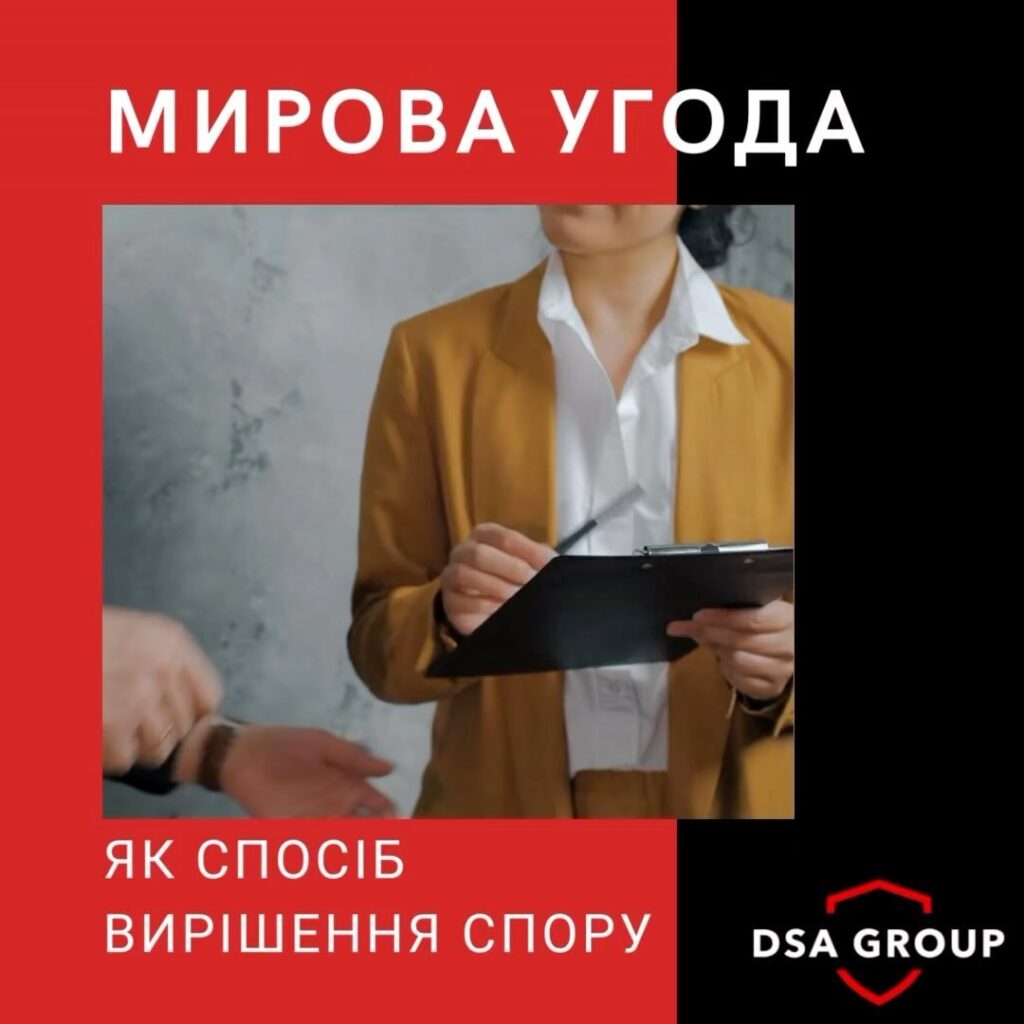
Heating debt: default judgment set aside, dispute ended by a settlement agreement
A default judgment for a heating debt was set aside. Under the settlement, the claimant waived 3% per annum and inflation losses; the court fee was split.
-
 Won
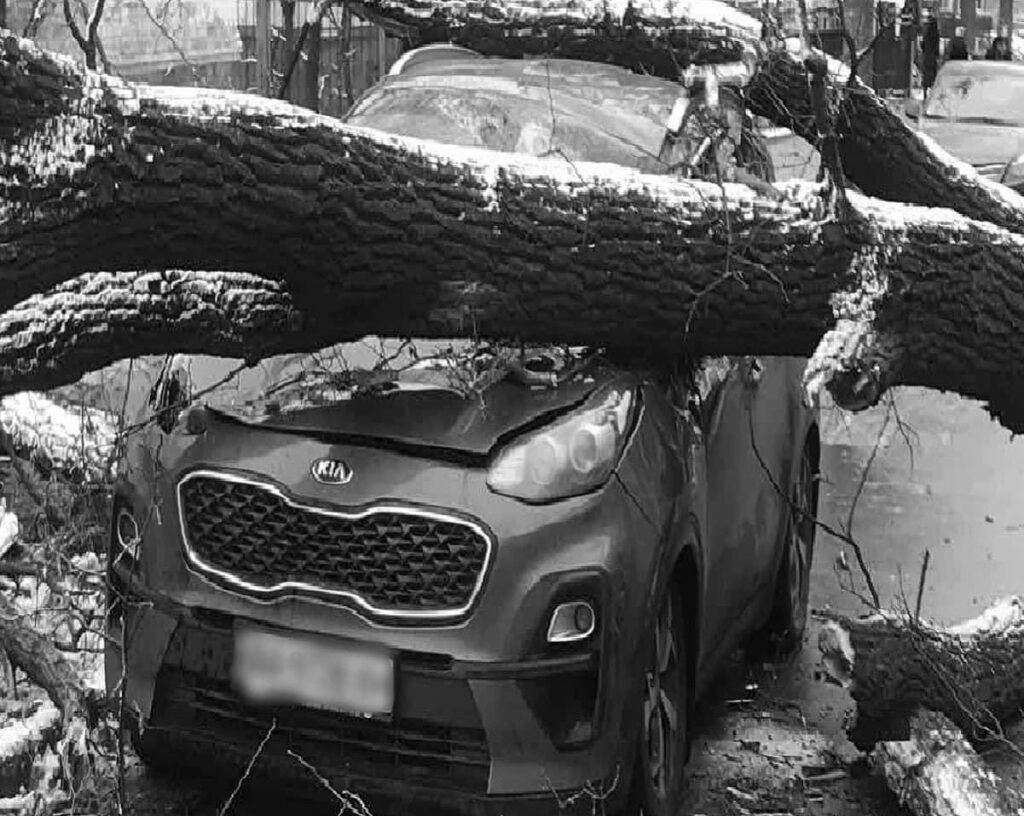
Branch falls on a car: over UAH 414,000 recovered from a municipal enterprise
A tree branch fell on a car in Kyiv. The court ordered a municipal enterprise to pay over UAH 414,000 in damages and costs; the appeal court upheld it.