
Closing criminal proceedings
First consultation free of charge (Mon–Fri, 9:00–18:00)
Call +380 (97) 158-30-28Closing proceedings is the route the law provides for ending a case where there are no grounds to investigate further or to send it to trial.
When to get in touch
- the case is dragging on with no real basis
- the time limits for the pre-trial investigation have expired
- there is not enough evidence for a notice of suspicion
- circumstances exist that the law links to closing proceedings
Recognise your situation?
First consultation free of charge (Mon–Fri, 9:00–18:00). The fee for further work is agreed in writing before it begins – how we calculate fees.
What the lawyer does
- analyses the case materials and whether grounds for closure exist
- checks that the time limits for the pre-trial investigation have been observed
- prepares and files a reasoned motion
- challenges inaction on the motion where necessary
- represents the client while the question is decided
- analyses the closure decision and whether it complies with the law
Grounds for closing criminal proceedings
Proceedings are closed, among other things, where (part 1 of Article 284 of the Criminal Procedure Code of Ukraine):
- the absence of the criminal offence has been established (clause 1)
- the absence of elements of a criminal offence in the act has been established (clause 2)
- no sufficient evidence has been obtained to prove the person’s guilt in court, and the options to obtain it have been exhausted (clause 3)
- the law that established criminal liability for the act has ceased to have effect (clause 4-1)
- there is a judgment on the same charge that has taken legal effect, or a court ruling closing the proceedings on the same charge (clause 6)
- after the person was notified of suspicion, the term of pre-trial investigation under Article 219 has expired – except where the suspicion concerns a grave or especially grave crime against a person’s life and health (clause 10)
The court closes proceedings, among other things, in connection with the person’s discharge from criminal liability (clause 1 of part 2 of Article 284) – but this is inadmissible if the suspect or accused objects (part 8 of Article 284).
Investigation time limits after notice of suspicion
- two months from the date of notification of suspicion of committing a crime (clause 4 of part 3 of Article 219)
- with extensions – no more than six months in total for a minor crime and twelve months for a grave or especially grave crime (part 4 of Article 219)
- periods when the proceedings were suspended and the time spent reviewing the materials under Article 290 are, as a rule, not counted; the exceptions, including where the investigating judge set aside the suspension, are set out in part 5 of Article 219
Who decides – and what to do if a motion is ignored
- an investigator or inquiry officer may close proceedings on the grounds in clauses 1, 2, 4-1, 9 and 9-1 of part 1 of Article 284 only if no one has been notified of suspicion; the prosecutor may close them, including in respect of a suspect (part 4 of Article 284)
- the investigator, inquiry officer or prosecutor must consider a defence motion within three days; a refusal is issued as a reasoned ruling (Article 220)
- an omission – including failure to take procedural actions that the investigator or prosecutor must take within a time limit set by the Code – can be challenged before the investigating judge by a complaint lodged within ten days (clause 1 of part 1 of Article 303; part 1 of Article 304)
Legal basis
The grounds and procedure for closing criminal proceedings are set out in Article 284 of the Criminal Procedure Code of Ukraine; the time limits for the pre-trial investigation are set out in Article 219.
Legislation and case law are updated over time; this page reflects the position as of November 2026.
Frequently asked questions
Who decides to close a case?
Depending on the ground and the stage – the prosecutor, the investigator (or inquiry officer), or the court, under the procedure set out in the Criminal Procedure Code.
Can a refusal to close be challenged?
A refusal to grant a motion is issued as a reasoned ruling (part 2 of Article 220 of the Criminal Procedure Code). If the motion is not considered in time, that omission can be challenged before the investigating judge within ten days (clause 1 of part 1 of Article 303; part 1 of Article 304). If grounds for closure are revealed during court proceedings, the court renders a judgment of acquittal or closes the proceedings (part 7 of Article 284).
Will the case be closed if the investigation deadline has passed?
If, after notification of suspicion, the term of pre-trial investigation set by Article 219 has expired, that is a ground for closure (clause 10 of part 1 of Article 284 of the Criminal Procedure Code), except where the suspicion concerns a grave or especially grave crime against a person’s life and health. The lawyer checks whether the period has been calculated correctly and whether there were any suspensions.
What happens to attached property once the case is closed?
When the prosecutor decides to close the proceedings, the prosecutor revokes the attachment of property at the same time, unless the property is subject to special forfeiture (part 3 of Article 174 of the Criminal Procedure Code).
Need legal assistance? Call us or leave a request – a lawyer will contact you and explain what to do in your situation.
How we work
-
You submit a request
-
We analyse your situation
-
We agree a strategy with you
-
We protect your interests


Similar services
- Defence during the pre-trial investigation
- Defence in the court of first instance
- Returning the indictment to the prosecutor
-
2020
year founded
-
9
attorneys on the team
-
11
practice areas
-
24/7
urgent legal assistance
Useful articles

Successful cases
-
 Won
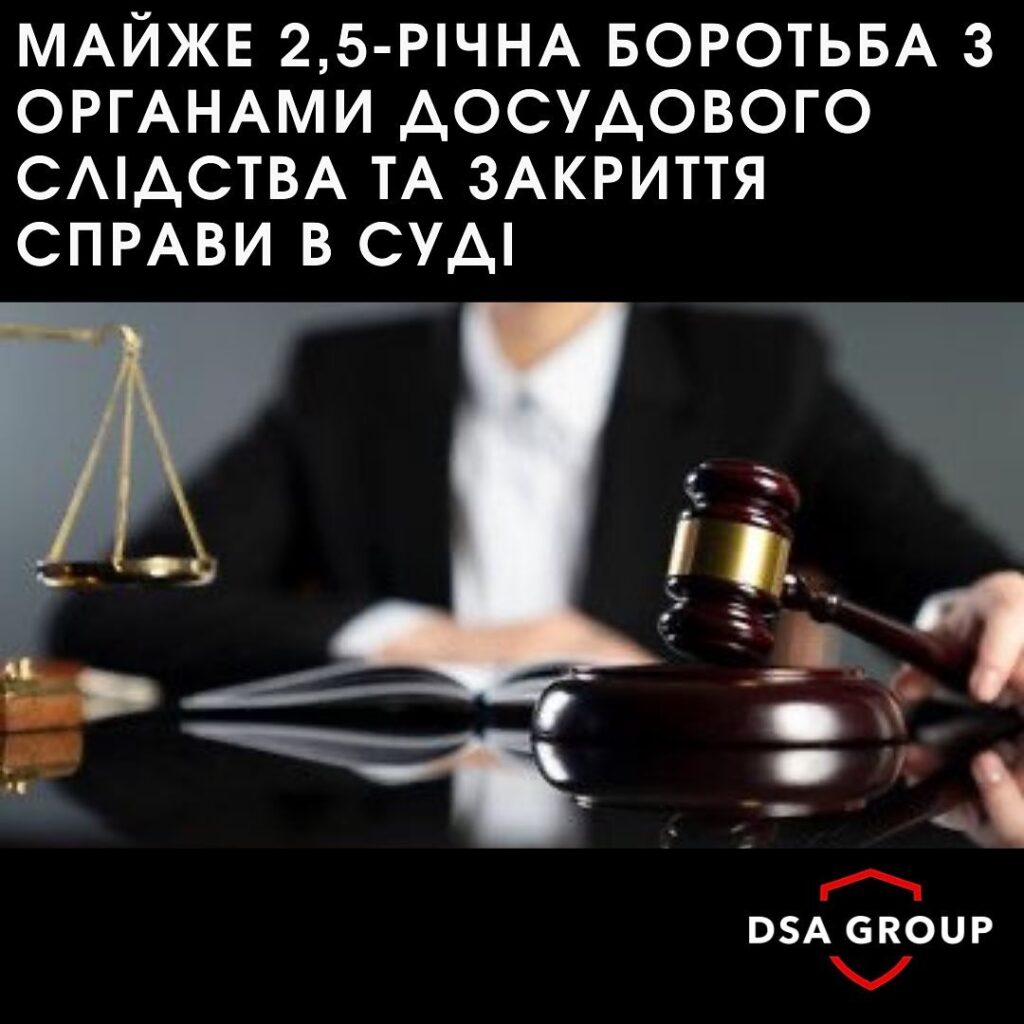
Case under Article 369(3) of the Criminal Code closed as the investigation period expired: upheld by the Supreme Court
The indictment reached the court after the investigation period had expired. The case was closed under Article 284(1)(10) CPC; the Supreme Court agreed.
-
 Won
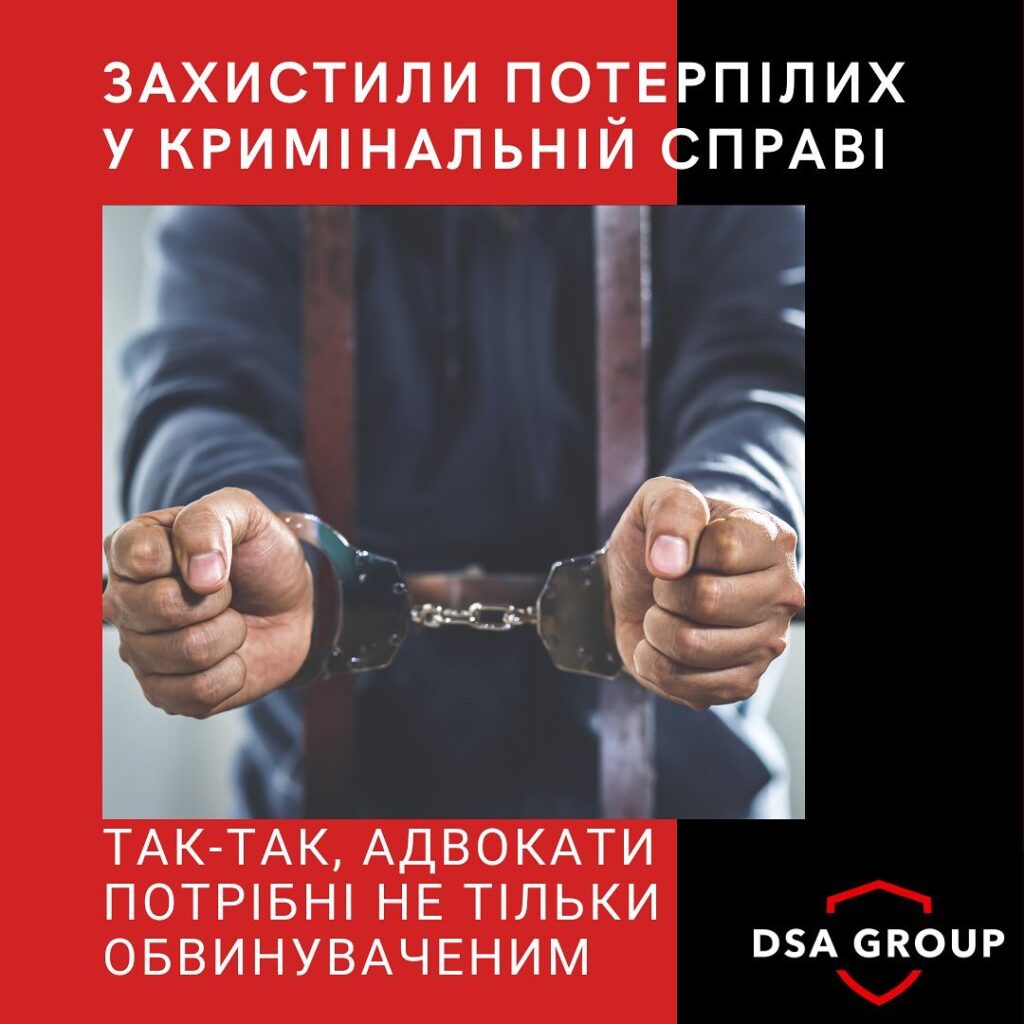
Protecting victims: defendant sentenced to 5 years, damages awarded to our clients
Two clients suffered grievous bodily harm. The defendant was sentenced to 5 years, and UAH 264,498.22 was awarded to the victims.