
Defence in a jury trial
First consultation free of charge (Mon–Fri, 9:00–18:00)
Call +380 (97) 158-30-28Jury trial is available in a category of cases defined by law. Proceedings with a jury have their own procedural features, from jury selection to the way the defence case is built.
When to get in touch
- the case falls within the category where jury trial is available
- you need the right to a jury trial and its consequences explained
- jury selection is under way
- the case is already being heard with a jury
Recognise your situation?
First consultation free of charge (Mon–Fri, 9:00–18:00). The fee for further work is agreed in writing before it begins – how we calculate fees.
What the lawyer does
- explains the right to a jury trial and how the procedure differs
- takes part in jury selection
- applies to have jurors removed where there are grounds
- builds the defence position around the features of this procedure
- responds to anything suggesting unlawful influence on a juror
- takes part in the examination of evidence and in closing argument
Which cases can be tried by a jury
- Proceedings concerning crimes punishable by life imprisonment are heard at first instance by a panel of three judges or, on the defendant’s motion, by a jury court of two judges and three jurors (part 3 of Article 31 CrPC).
- Where there are several defendants, the jury court hears the case in respect of all of them if at least one has filed such a motion (part 3 of Article 31 CrPC).
- A jury court is formed at a local general court of first instance (part 2 of Article 383 CrPC).
How to apply
The public prosecutor and the court must explain to the defendant the possibility and features of having the case heard by a jury; the prosecutor’s written explanation is attached to the indictment (part 1 of Article 384 CrPC). The defendant files the motion for a jury trial at the preparatory hearing (part 2 of Article 384 CrPC; see “Defence in the court of first instance”). The choice between a jury and a panel of three professional judges should therefore be made with defence counsel before that hearing.
Summoning and selecting jurors
- Seven people, identified by the Unified Judicial Information and Communication System from the list of jurors, are summoned; the summons is served against signature no later than five days before the hearing (parts 1 and 3 of Article 385 CrPC).
- Selection takes place after the hearing opens: the presiding judge establishes whether anything prevents each juror from taking part, and the public prosecutor, the victim and the defendant may, with the presiding judge’s permission, put questions to the jurors (parts 1–3 of Article 387 CrPC).
- The participants may challenge any juror on the grounds set out in Articles 75 and 76 CrPC. The question is decided by the two judges; if they do not reach a unanimous decision, the juror is deemed released or removed (parts 4–5 of Article 387 CrPC).
- After the main jurors, two reserve jurors are selected (part 8 of Article 387 CrPC). The jurors take an oath, including to take into account only the evidence examined in court (part 2 of Article 388 CrPC).
Jurors’ rights and the ban on influence
- Jurors take part in examining all the evidence, may take notes, may put questions with the presiding judge’s permission, and may ask for the applicable law and legal terms to be explained (part 1 of Article 386 CrPC).
- Jurors may not, in particular, discuss the substance of the case with anyone outside the court without the presiding judge’s permission, or gather information about the case outside the hearing (clauses 4–5 of part 2 of Article 386 CrPC).
- The public prosecutor, the defendant, the victim and other participants may not communicate with jurors throughout the trial other than as provided by the CrPC (Article 389 CrPC).
- A juror may be removed if they fail to perform their duties or if there are reasonable grounds to believe that, as a result of unlawful influence, they have lost their impartiality. The decision is taken by a majority of the court in the deliberation room in a reasoned ruling; a reserve juror then joins the court, and if there is none, a new juror is selected and the trial starts again (Article 390 CrPC).
How the decision is made
- The judges and jurors decide all trial issues together; the exception is the extension of a preventive measure, which is decided by the presiding judge (part 3 of Article 383, part 3 of Article 331 CrPC).
- The presiding judge leads the deliberations; questions are decided by open vote by simple majority, with the presiding judge voting last (parts 1–2 of Article 391 CrPC).
- No one may abstain, except on the question of sentence where a judge or juror voted for acquittal; that vote is then added to the decision most favourable to the defendant (part 3 of Article 391 CrPC).
- A majority may be formed without the judges – the presiding judge must then help the jurors draft the court decision; each member of the court may set out a dissenting opinion in writing (parts 4–5 of Article 391 CrPC).
Legal basis
The composition of the jury court and the category of cases are set out in part 3 of Article 31 of the Criminal Procedure Code of Ukraine; jury proceedings are governed by Articles 383–391, including explanation of the right to a jury trial (Article 384), the summoning and selection of jurors (Articles 385 and 387), the rights and duties of jurors (Article 386), the oath (Article 388), the prohibition on unlawful influence on a juror (Article 389), removal of a juror (Article 390), and deliberation and voting (Article 391).
Legislation and case law are updated over time; this page reflects the position as of November 2026.
Frequently asked questions
In which cases is a jury trial available?
In proceedings concerning crimes punishable by life imprisonment. On the defendant’s motion, such cases are heard by a jury court of two judges and three jurors instead of a panel of three judges (part 3 of Article 31 CrPC); the motion is filed at the preparatory hearing (part 2 of Article 384 CrPC).
Who decides such a case?
The judges and jurors together, by open vote and simple majority, with the presiding judge voting last (part 3 of Article 383, parts 1–2 of Article 391 CrPC). A majority may be formed without the judges – the presiding judge must then help the jurors draft the court decision (part 5 of Article 391 CrPC).
Can a juror be challenged?
Yes. The participants may challenge any juror on the grounds set out in Articles 75 and 76 CrPC. The question is decided by the two judges, and if they do not reach a unanimous decision, the juror is deemed removed (parts 4–5 of Article 387 CrPC).
Need legal assistance? Call us or leave a request – a lawyer will contact you and explain what to do in your situation.
How we work
-
You submit a request
-
We analyse your situation
-
We agree a strategy with you
-
We protect your interests


Similar services
- Plea and reconciliation agreements
- Appealing a judgment: appeal and cassation
- Review of a judgment on newly discovered or exceptional grounds
-
2020
year founded
-
9
attorneys on the team
-
11
practice areas
-
24/7
urgent legal assistance
Useful articles
Successful cases
-
 Won
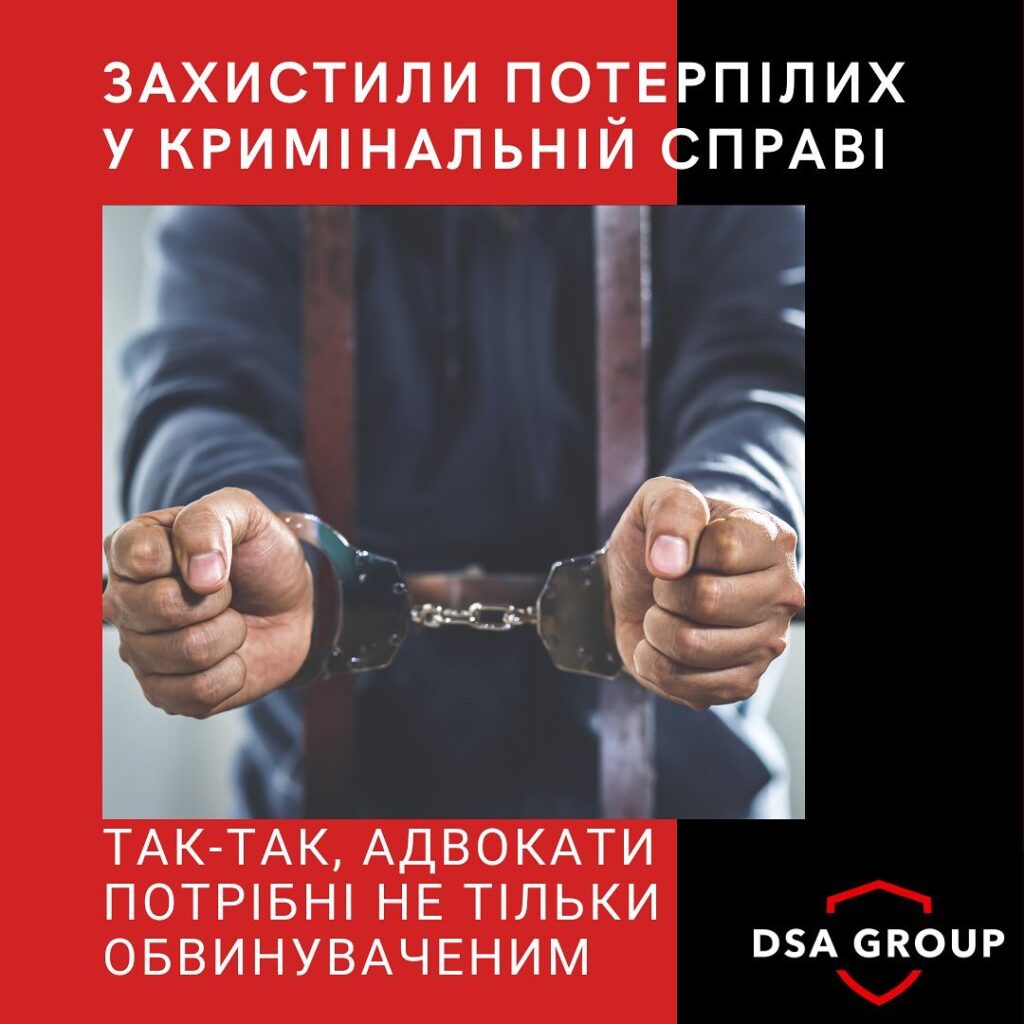
Protecting victims: defendant sentenced to 5 years, damages awarded to our clients
Two clients suffered grievous bodily harm. The defendant was sentenced to 5 years, and UAH 264,498.22 was awarded to the victims.
-
 Won
Case under Article 369(3) of the Criminal Code closed as the investigation period expired: upheld by the Supreme Court
The indictment reached the court after the investigation period had expired. The case was closed under Article 284(1)(10) CPC; the Supreme Court agreed.