
Returning the indictment to the prosecutor
First consultation free of charge (Mon–Fri, 9:00–18:00)
Call +380 (97) 158-30-28An indictment has to meet the requirements of the law in both content and form. Defects that are identified can be grounds for asking the court to return it to the public prosecutor.
When to get in touch
- the case has been sent to court with an indictment
- the indictment does not set out the circumstances clearly
- the annexes required by law have not been filed with it
- the register of pre-trial investigation materials has been drawn up improperly
Recognise your situation?
First consultation free of charge (Mon–Fri, 9:00–18:00). The fee for further work is agreed in writing before it begins – how we calculate fees.
What the lawyer does
- analyses the indictment against the requirements of the Criminal Procedure Code
- checks that the annexes are present and what they contain
- prepares a motion to return the indictment to the public prosecutor
- argues the position at the preparatory court session
- analyses the court’s ruling on the motion
- adjusts the defence strategy according to the outcome
What an indictment must contain
An indictment is drawn up by the investigator or inquiring officer and approved by the public prosecutor; the public prosecutor may also draw it up, in particular where he or she does not agree with the indictment drawn up by the investigator or inquiring officer (part 1 of Article 291 of the Criminal Procedure Code of Ukraine (CrPC)). The indictment must contain, in particular (part 2 of Article 291 CrPC):
- the name and registration number of the criminal proceedings;
- personal information on each accused and each victim, and on the whistleblower;
- the last name, first name, patronymic and official position of the investigator and the public prosecutor;
- a description of the actual circumstances of the criminal offence that the public prosecutor finds established, the legal qualification with reference to the Article (part of the Article) of the law on criminal liability, and the charge itself;
- circumstances that aggravate or mitigate the punishment;
- the amount of damage caused by the criminal offence and of the expenses on engaging an expert;
- the date and place of drawing up and approval of the indictment.
The indictment is signed by the investigator or inquiring officer and by the public prosecutor who approved it, or only by the public prosecutor if he or she drew it up alone (part 3 of Article 291 CrPC).
What is attached to the indictment
The following are attached to the indictment (part 4 of Article 291 CrPC):
- the register of pre-trial proceedings records;
- the civil action, if one was brought during the pre-trial investigation;
- the suspect’s acknowledgement of receipt of copies of the indictment, the civil action and the register of records;
- an acknowledgement or other document confirming that the civil defendant received a copy of the civil action, if the action was brought against a person other than the suspect;
- a note on the legal entity, if proceedings are taken in respect of it.
Providing any other documents to the court before the judicial proceedings begin is forbidden (part 4 of Article 291 CrPC). The register of records states the number, name and time of each procedural action, the details of procedural decisions, and the type, date and period of application of measures to ensure criminal proceedings (part 2 of Article 109 CrPC). The public prosecutor must hand copies of the indictment and the register, against acknowledgement of receipt, to the suspect, his or her defence counsel and legal representative at the same time as the indictment is sent to the court (Article 293 CrPC).
What the court decides at the preparatory court session
The court schedules the preparatory court session no later than five days after receiving the indictment (part 1 of Article 314 CrPC). At the session the court may, in particular (part 3 of Article 314 CrPC):
- approve an agreement or refuse to approve it and return the criminal proceedings to the public prosecutor for the pre-trial investigation to continue;
- close the proceedings on the grounds specified in clauses 5–8 and 10 of part 1 or in part 2 of Article 284 CrPC;
- return the indictment to the public prosecutor if it does not comply with the requirements of the CrPC;
- send the indictment to the appropriate court to determine jurisdiction, if the proceedings are not within the jurisdiction of that court;
- schedule the trial.
The court proceeds to preparation for trial only where no grounds for the first four decisions have been found (part 1 of Article 315 CrPC). The grounds for closing proceedings include expiry of the time limit for pre-trial investigation set by Article 219 CrPC after the person has been notified of suspicion, except where the suspicion concerns a grave or special grave crime against the life and health of the person (clause 10 of part 1 of Article 284 CrPC). An example from our practice: a case under Article 369(3) of the Criminal Code was closed because the investigation period had expired.
Challenging the ruling
A ruling to return the indictment may be challenged under appellate procedure (part 4 of Article 314 CrPC) within seven days from the date of its pronouncement (clause 2 of part 2 of Article 395 CrPC). Rulings rendered during the court proceedings before the judgment is adopted are not subject to a separate appeal, except in cases specified by the Code – objections to them may be included in the appellate complaint against the judgment (part 2 of Article 392 CrPC). So if the court refused to return the indictment and scheduled the trial, the defence can raise these arguments in an appeal against the judgment.
Legal basis
The requirements for an indictment and for the register of pre-trial proceedings records are set out in Article 291 of the Criminal Procedure Code of Ukraine; the content of the register – in Article 109, providing copies of the indictment and the register – in Article 293, the preparatory court session and the court’s powers – in Article 314, preparation for trial – in Article 315, the grounds for closing criminal proceedings – in Article 284, and the public prosecutor’s duty to submit an indictment to the court – in Article 283. Appeals against rulings of the court of first instance are governed by Articles 392 and 395 of the Criminal Procedure Code of Ukraine.
Legislation and case law are updated over time; this page reflects the position as of November 2026.
Frequently asked questions
What does returning the indictment achieve?
The court returns the indictment to the public prosecutor if it does not comply with the requirements of the CrPC (clause 3 of part 3 of Article 314 CrPC); the court moves on to preparation for trial only where no such grounds have been found (part 1 of Article 315 CrPC). For the defence, it is a way to ensure that the charge is formulated clearly: the description of the actual circumstances, the legal qualification and the charge itself are mandatory parts of the indictment (clause 5 of part 2 of Article 291 CrPC).
When should such a motion be filed?
At the preparatory court session: the court schedules it no later than five days after receiving the indictment (part 1 of Article 314 CrPC). The suspect and defence counsel receive copies of the indictment and the register of records at the same time as the indictment is sent to the court (Article 293 CrPC), so they should be checked straight away.
Can the court’s ruling be challenged?
A ruling to return the indictment – yes, under appellate procedure within seven days from the date of its pronouncement (part 4 of Article 314 and clause 2 of part 2 of Article 395 CrPC). A refusal to return the indictment is not appealed separately: objections can be included in the appellate complaint against the judgment (part 2 of Article 392 CrPC).
Can the court close the proceedings at the preparatory court session?
Yes, if it establishes the grounds specified in clauses 5–8 and 10 of part 1 or in part 2 of Article 284 CrPC (clause 2 of part 3 of Article 314 CrPC) – in particular, if the time limit for pre-trial investigation set by Article 219 CrPC has expired after notification of suspicion (clause 10 of part 1 of Article 284 CrPC).
Need legal assistance? Call us or leave a request – a lawyer will contact you and explain what to do in your situation.
How we work
-
You submit a request
-
We analyse your situation
-
We agree a strategy with you
-
We protect your interests


Similar services
- Defence in a jury trial
- Plea and reconciliation agreements
- Appealing a judgment: appeal and cassation
-
2020
year founded
-
9
attorneys on the team
-
11
practice areas
-
24/7
urgent legal assistance
Useful articles

Successful cases
-
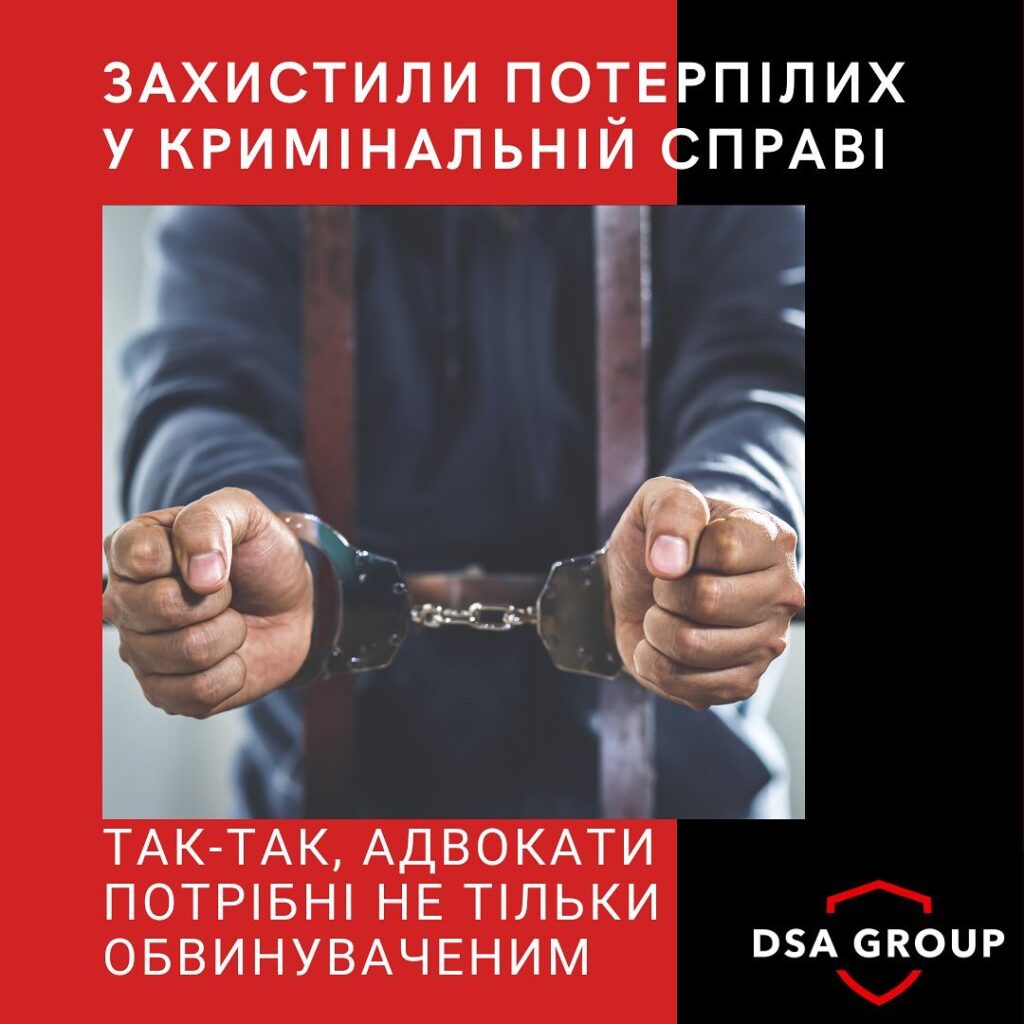 Won
Protecting victims: defendant sentenced to 5 years, damages awarded to our clients
Two clients suffered grievous bodily harm. The defendant was sentenced to 5 years, and UAH 264,498.22 was awarded to the victims.
-
 Won
Case under Article 369(3) of the Criminal Code closed as the investigation period expired: upheld by the Supreme Court
The indictment reached the court after the investigation period had expired. The case was closed under Article 284(1)(10) CPC; the Supreme Court agreed.