
Participation in investigative and covert actions
First consultation free of charge (Mon–Fri, 9:00–18:00)
Call +380 (97) 158-30-28Investigative (search) actions are what build the body of evidence in a case. Having a lawyer present makes it possible to monitor compliance with the procedure and to record breaches at the time – breaches that can later affect how the evidence is assessed.
When to get in touch
- an inspection, identification parade, investigative experiment or examination has been ordered
- an expert examination is being ordered and you need to put your own questions to the expert
- there is reason to believe covert investigative (search) actions are being carried out
- you need an investigative action initiated in the interests of the defence
Recognise your situation?
First consultation free of charge (Mon–Fri, 9:00–18:00). The fee for further work is agreed in writing before it begins – how we calculate fees.
What the lawyer does
- takes part in investigative (search) actions together with the client
- checks that the procedure is followed and that participants are acting within their powers
- files motions and objections and ensures they are entered in the record
- prepares motions for an expert examination and proposes questions for the expert
- analyses the materials on covert investigative (search) actions and the grounds for them
- assesses the material obtained from the standpoint of admissibility
General requirements for investigative (search) actions
- Investigative (search) actions are aimed at obtaining evidence or verifying evidence already obtained; the ground for them is sufficient information indicating that their purpose can be achieved (parts 1–2 of Article 223 CrPC). Before they begin, participants are told their rights and duties (part 3 of Article 223 CrPC).
- Investigative (search) actions are not carried out between 10 p.m. and 6 a.m., except in urgent cases where delay could lead to the loss of traces of the offence or the suspect’s escape, and except in proceedings under Article 615 CrPC (part 4 of Article 223 CrPC).
- If evidence that may point to the person’s innocence is obtained during an action, the investigator or prosecutor must carry out the action in full, add the documents to the case materials and submit them to the court (part 5 of Article 223 CrPC).
- An action initiated by the defence is carried out with the participation of the initiator and/or their defence counsel; they may ask questions and make proposals, remarks and objections about how it is conducted, which are entered in the record (part 6 of Article 223 CrPC).
- At least two attesting witnesses are invited for identification, examination of a body, an investigative experiment or a physical examination – unless the action is continuously video-recorded; for a search or inspection of a home or other property and a personal search, attesting witnesses are mandatory regardless of any technical recording (subject to Article 615 CrPC). The victim, relatives of the suspect or victim, law enforcement officers and interested persons may not act as attesting witnesses (part 7 of Article 223 CrPC).
- Once the time limits for the pre-trial investigation have expired, investigative (search) and covert actions may not be carried out (except on the court’s instructions in cases provided for by the CrPC): such actions are invalid and the evidence obtained is inadmissible (part 8 of Article 223 CrPC).
The suspect’s rights during investigative actions
- A suspect has the right to have defence counsel take part in questioning and other procedural actions, to take part in them, to ask questions, to make remarks and objections about how they are conducted, which are entered in the record, and to use technical means in accordance with the CrPC (clauses 3 and 9–11 of part 3 of Article 42 CrPC).
- Questioning may not continue for more than two hours without a break or more than eight hours a day in total; if the suspect refuses to answer questions, the questioning is stopped as soon as they say so (parts 2 and 4 of Article 224 CrPC).
Expert examination: your own expert and a motion to the investigating judge
- The defence has the right to engage experts on a contractual basis on its own, including for a mandatory expert examination (part 1 of Article 243 CrPC).
- The defence may apply to the investigating judge if the prosecution has not engaged an expert, has put questions that do not allow a complete opinion, or there are grounds to believe its expert lacks competence or is biased, or if the defence cannot engage an expert itself for lack of funds or other objective reasons (part 1 of Article 244 CrPC).
- The motion is heard no later than five days after it reaches the court (part 3 of Article 244 CrPC). If it is granted, the defence’s questions are included in the ruling (the judge may leave out only those unrelated to the proceedings, giving reasons), and the expert’s opinion is provided to the person who filed the motion (parts 7 and 9 of Article 244 CrPC).
Covert investigative (search) actions
- These are investigative (search) actions whose existence and methods are not disclosed, except as provided by the CrPC. They are carried out where the information cannot be obtained in any other way; some of them only in proceedings concerning grave or special grave crimes (parts 1–2 of Article 246 CrPC). The decision is taken by the investigator or prosecutor and, where the CrPC so provides, by the investigating judge (part 3 of Article 246 CrPC).
- Persons whose constitutional rights were temporarily restricted, as well as the suspect and defence counsel, must be notified in writing – within twelve months of the end of such actions, but no later than the filing of an indictment with the court (Article 253 CrPC).
- Records, recordings and other results of covert actions are used as evidence on the same basis as the results of other investigative actions; those who carried them out may be examined as witnesses (parts 1–2 of Article 256 CrPC). The defence therefore checks the grounds, time limits and authorisation for each such action – the admissibility of the evidence at trial depends on it.
Legal basis
The requirements for investigative (search) actions are set out in Article 223 of the Criminal Procedure Code of Ukraine; the suspect’s rights in Article 42; questioning in Article 224; identification in Articles 228 and 229; the investigative experiment in Article 240; physical examination in Article 241; the grounds for ordering an expert examination in Article 242, and engaging an expert in Articles 243 and 244; the grounds for covert investigative (search) actions in Article 246; notification of them in Article 253; and the use of their results as evidence in Article 256 of the Criminal Procedure Code of Ukraine.
Legislation and case law are updated over time; this page reflects the position as of November 2026.
Frequently asked questions
Is the lawyer entitled to be present during investigative actions?
Yes. A suspect has the right to have defence counsel take part in questioning and other procedural actions, and to take part in them, ask questions and make remarks and objections, which are entered in the record (clauses 3, 9 and 10 of part 3 of Article 42 CrPC). An action initiated by the defence is carried out with the participation of the initiator and/or their defence counsel (part 6 of Article 223 CrPC).
Can I find out about covert actions?
Yes, but not straight away. Persons whose constitutional rights were temporarily restricted, as well as the suspect and defence counsel, must be notified in writing within twelve months of the end of the covert actions, but no later than the filing of an indictment with the court (Article 253 CrPC). The defence receives the results of covert actions used as evidence during disclosure of the materials; the lawyer then examines the grounds for them and whether they were lawful.
Can investigative actions be carried out at night?
As a general rule, no: investigative (search) actions are not carried out between 10 p.m. and 6 a.m. The exceptions are urgent cases where delay could lead to the loss of traces of the offence or the suspect’s escape, and proceedings under Article 615 CrPC (part 4 of Article 223 CrPC).
Need legal assistance? Call us or leave a request – a lawyer will contact you and explain what to do in your situation.
How we work
-
You submit a request
-
We analyse your situation
-
We agree a strategy with you
-
We protect your interests


Similar services
- Temporary access to items and documents
- Challenging a notice of suspicion
- Preventive measures: custody, bail, house arrest
-
2020
year founded
-
9
attorneys on the team
-
11
practice areas
-
24/7
urgent legal assistance
Useful articles

Successful cases
-
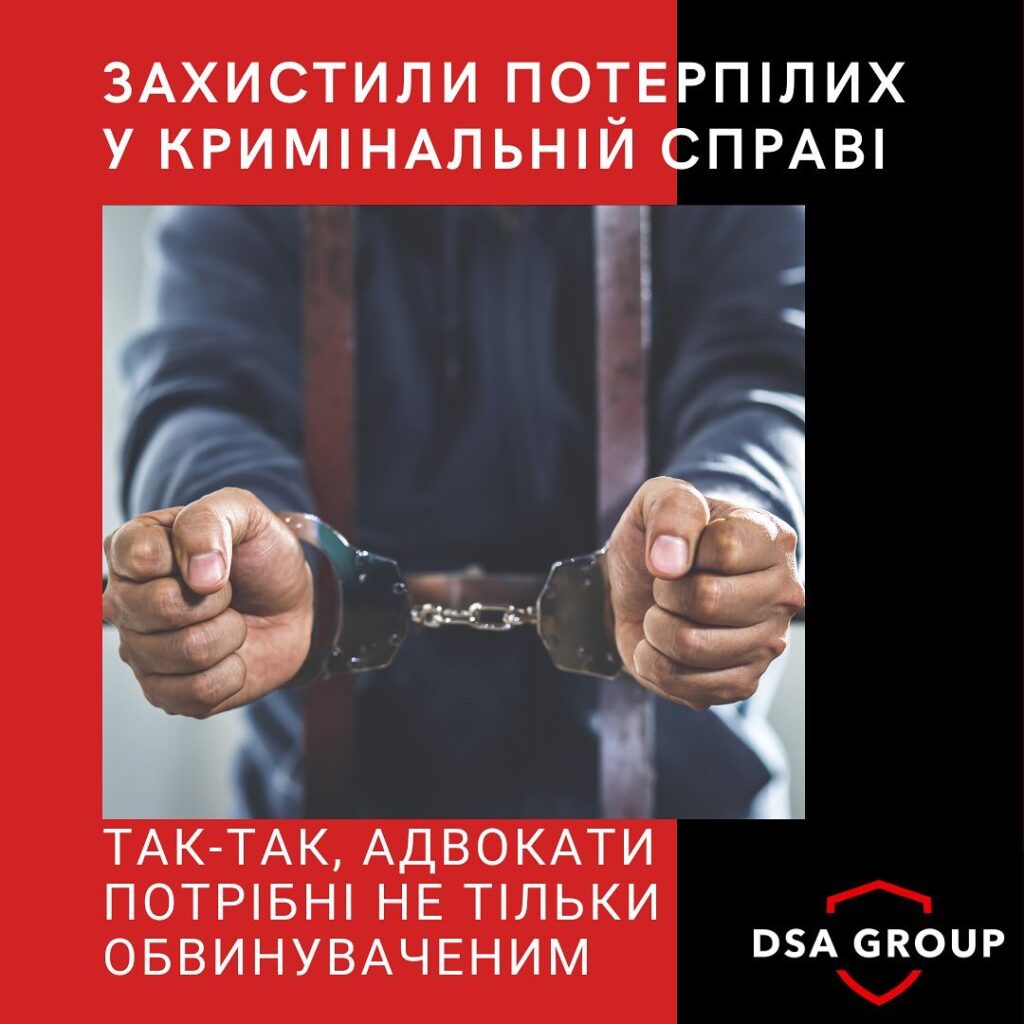 Won
Protecting victims: defendant sentenced to 5 years, damages awarded to our clients
Two clients suffered grievous bodily harm. The defendant was sentenced to 5 years, and UAH 264,498.22 was awarded to the victims.
-
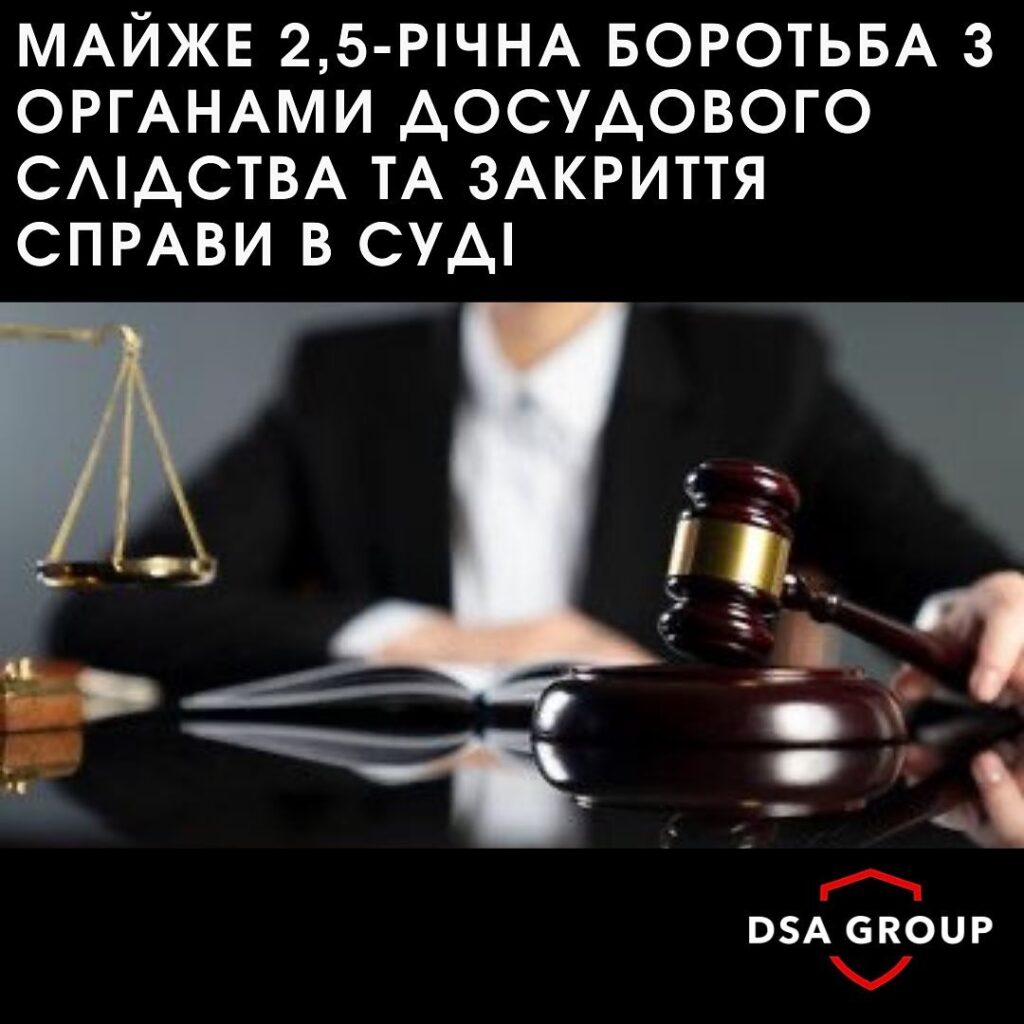 Won
Case under Article 369(3) of the Criminal Code closed as the investigation period expired: upheld by the Supreme Court
The indictment reached the court after the investigation period had expired. The case was closed under Article 284(1)(10) CPC; the Supreme Court agreed.